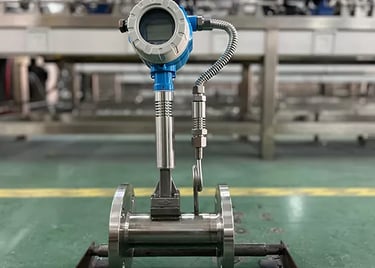
SIZING, SELECTION, AND INSTALLATION OF VORTEX FLOWMETERS
Blog post description.
INTRODUCTION
A vortex flowmeter is a widely used instrument for measuring the flow of liquids, gases, and steam in industrial applications. Based on the vortex shedding principle, it offers reliable performance, minimal maintenance, and good accuracy across a wide range of conditions. Proper sizing, selection, and installation are critical to ensure optimal performance and long-term reliability.
PRINCIPLE OF OPERATION
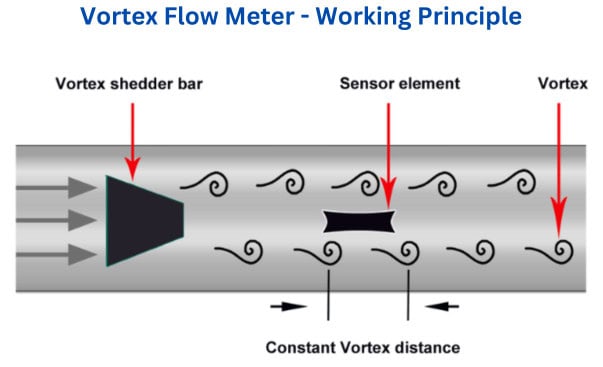
Vortex flowmeters operate on the concept of the Von Kármán vortex street. When a fluid flows past a bluff body (a non-streamlined obstruction), vortices are alternately shed downstream. The frequency of these vortices is directly proportional to the fluid velocity, and thus the volumetric flow rate.
1. SIZING OF VORTEX FLOWMETER
Correct sizing ensures the meter operates within its optimal range and maintains accuracy.
KEY PARAMETERS OF SIZING
Flow rate range (minimum, normal, maximum)
Fluid properties (density, viscosity, temperature, pressure)
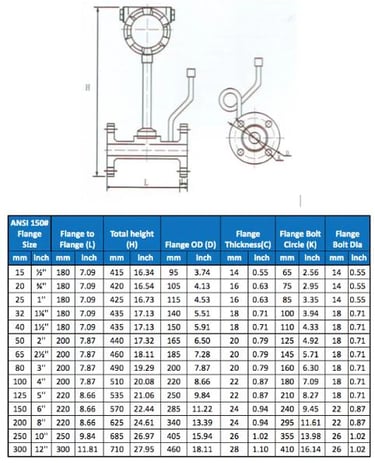
Pipe size and schedule
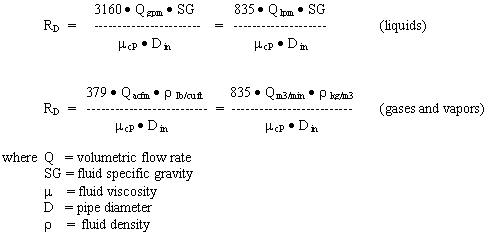
Reynolds number
IMPORTANT CONSIDERATION
Vortex meters typically require a minimum Reynolds number (~10,000) for stable vortex formation.
Avoid oversizing:
Oversized meters may not detect low flow rates accurately.
Avoid under sizing:
Causes excessive pressure drop and potential measurement errors.
SIZING APPROCH
Determine operating flow range.
Match flow range with meter’s calibrated range.
Ensure flow velocity falls within recommended limits:
Liquids: ~1–6 m/s
Gases/steam: ~10–75 m/s
2. SELECTION OF VORTEX FLOWMETERS
Choosing the right vortex flowmeter depends on process conditions and application requirements.
Fluid Type
Liquids: Clean, low-viscosity fluids
Gases: Compressed air, natural gas
Steam: Saturated or superheated steam (common application)
Selection Criteria
a. Process Conditions
Temperature and pressure limits
Corrosive or hazardous environment
Presence of vibrations
b. Accuracy Requirements
Typical accuracy: ±0.5% to ±1% of reading
For custody transfer or billing, consider higher accuracy models
c. Output and Communication
Analog (4–20 mA)
Digital protocols (HART, Modbus, etc.)
d. Material Compatibility
Wetted parts must resist corrosion
Common materials: stainless steel, alloys
e. Installation Constraints
Available straight pipe length
Pipe orientation (horizontal/vertical)
3. INSTALLATION OF VORTEX FlOWMETERS
Proper installation is crucial for accurate measurement.
Straight Pipe Requirements
To ensure stable flow profile:
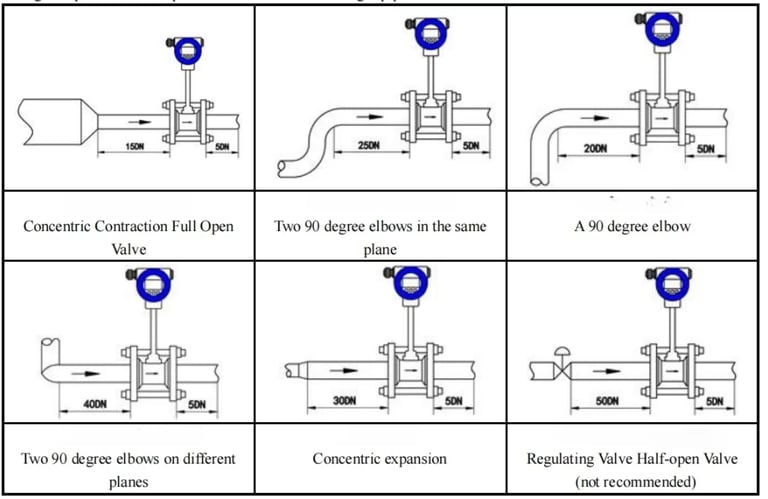
Upstream: 10–20 pipe diameters
Downstream: 5 pipe diameters
More straight length may be required with disturbances such as:
Elbows
Valves
Pumps
Mounting Orientation
Horizontal pipes: Preferred for liquids
Vertical pipes: Suitable for gases and steam (upward flow recommended)
Avoid These Conditions
Excessive vibration (can cause false signals)
Two-phase flow (liquid + gas mixture)
Pulsating flow
Installation Best Practices
Ensure the pipe is always full (for liquid applications)
Install away from flow disturbances
Use proper gaskets and alignment
Ground the meter properly to avoid electrical noise
4. COMMON APPLICATIONS
Steam flow measurement in power plants
Compressed air systems
Chemical processing industries
Oil & gas applications
5. ADVANTAGES AND LIMITATIONS
Advantages
No moving parts → low maintenance
Good accuracy and repeatability
Suitable for high-temperature and high-pressure applications
Limitations
Not suitable for low Reynolds number flows
Performance affected by vibration
Limited use with highly viscous fluids
CONCLUSION
The successful use of a vortex flowmeter depends heavily on proper sizing, careful selection, and correct installation. By understanding process requirements and adhering to best practices, users can achieve accurate, stable, and long-term flow measurement performance